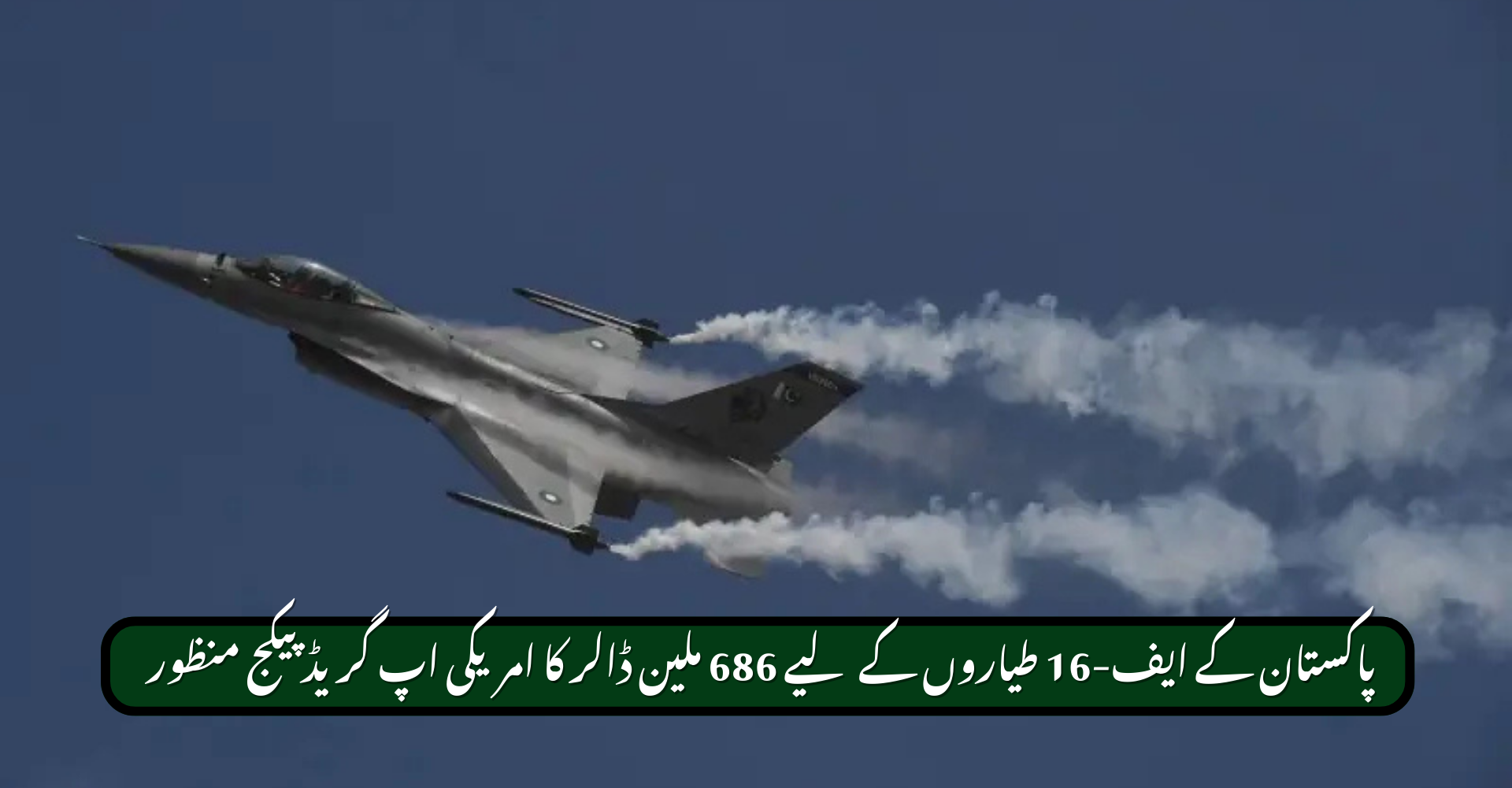
US Approves $686 Million F-16 Upgrade Package for Pakistan in 2025. The US approves $686 million F-16 upgrade package for Pakistan, marking one of the most significant defense modernization steps for the Pakistan Air Force in 2025. This upgrade not only enhances Pakistan’s air-combat power but also strengthens interoperability with US and NATO forces. Here’s a complete breakdown of what this deal means, why it matters, and how it will impact regional air balance.

What Is Included in the $686 Million F-16 Upgrade Package?
The newly approved upgrade package is designed to modernize Pakistan’s aging F-16 fleet and extend operational life through 2040.
Key Components of the Upgrade
| Upgrade Category | Details Included |
|---|---|
| Communication Systems | 92 Link-16 data link systems, real-time tactical communication |
| Avionics Enhancements | Updated flight programs, cockpit modernization, navigation upgrades |
| Defense & Security | IFF systems, cryptographic modules, secure comms |
| Weapons Integration | MK-82 inert bomb bodies for testing & system upgrades |
| Training & Logistics | Full-motion simulators, spare parts, technical support |
| Contractor | Lockheed Martin as principal contractor |
These additions allow seamless data sharing, enhanced situational awareness, and better battlefield coordination all critical components of modern air warfare.
Why the F-16 Upgrade Matters for Pakistan in 2025
1. Modernization of Air Combat Capability
The F-16 remains a cornerstone of Pakistan’s air fleet. With this upgrade, Pakistan’s jets gain:
- Faster target acquisition
- Improved night and all-weather operations
- Enhanced defensive countermeasure systems
- Extended operational lifespan to 2040
2. Boost in Interoperability With Allies
The Link-16 network is widely used by US, NATO, and partner forces. With its integration:

- Pakistan can conduct high-precision joint exercises
- Real-time collaboration improves counterterrorism operations
- Regional situational awareness increases dramatically
3. Strategic Edge After the May 2025 Air Conflict
Pakistan’s newer platforms (like JF-17 Block III) already demonstrated effectiveness in the May 2025 conflict, causing “substantial losses” to the Indian fleet.
However, upgraded F-16s:
- Restore balanced reliance across the fleet
- Provide superior BVR (Beyond Visual Range) potential
- Complement indigenous platforms with US-grade tech
How the Upgrade Strengthens Pakistan’s Regional Security
Enhanced Deterrence Posture
Pakistan’s integration of cutting-edge avionics and tactical links reinforces deterrence, especially when tensions rise along LoC or during regional flare-ups.
Improved Counterterrorism Efficiency
According to DSCA, the upgrade directly supports Pakistan’s role in:
- Counterterrorism missions
- Border security operations
- Multi-platform joint engagements
The improved communication and tracking capabilities ensure better precision and safer missions.

Extended Fleet Lifeline
By addressing flight-safety issues and aging avionics, Pakistan can optimally use its F-16s for another 15 years without requiring a new fleet purchase.
Key Technical Upgrades Explained (Easy Breakdown)
Link-16 Tactical Data Link
- Provides secure, jam-resistant communication
- Shares battlefield data with friendly aircraft
- Enables network-centric warfare
Advanced Identification Friend or Foe (IFF)
- Reduces chances of friendly fire
- Improves target recognition accuracy
NSA-Certified Cryptographic Modules
- Protect sensitive military information
- Ensure secure data transmission
Avionics & Flight Program Modifications
- More responsive controls
- Better weapon integration
- Upgraded cockpit functionality
Why the US Approved the F-16 Upgrade in 2025
1. Shift in Bilateral Relations
Pakistan requested this upgrade in 2021, but delays occurred due to diplomatic strain. In 2025, improved communication channels and strategic alignment led to the green signal.
2. Regional Stability Considerations
DSCA clarified:
“The sale will not alter the basic military balance in the region.”


This ensures India-US relations remain stable while Pakistan maintains essential defense capabilities.
3. Pakistan’s Capability to Absorb New Technology
The US emphasized that Pakistan has:
- Adequate training
- Skilled personnel
- Required technical ecosystem
…to handle these advanced upgrades.
Impact on India–Pakistan Military Dynamics
Even though the US claims the upgrade won’t shift the regional balance, analysts suggest:

Pakistan Gains:
- Enhanced air-defense readiness
- Stronger BVR capabilities
- Better real-time coordination
India’s Concern Points:
- Pakistan’s upgraded F-16s will counterbalance modern Indian jets like Rafale
- The 2025 conflict lessons highlighted vulnerabilities India may now need to address
FAQs
What is included in the US F-16 upgrade package for Pakistan?
The package includes Link-16 systems, avionics upgrades, IFF modules, cryptographic systems, simulators, training, and logistics support.
Will the upgrade change the regional military balance?
According to DSCA, it will not alter the military balance, but it significantly improves Pakistan’s capabilities.
Why did the US delay Pakistan’s request originally?
Bilateral tensions and geopolitical considerations caused delays since the request was submitted in 2021.
How long will the F-16 fleet remain operational after upgrades?
Upgrades extend the fleet’s operational life until 2040.

Who is the main contractor for the upgrade?
Lockheed Martin is the primary contractor.
Conclusion
The US approval of a $686 million F-16 upgrade package for Pakistan marks a major step toward modernizing the PAF and strengthening regional air defense capabilities. From advanced avionics to Link-16 data systems, this upgrade ensures Pakistan remains a technologically capable air power through 2040.